





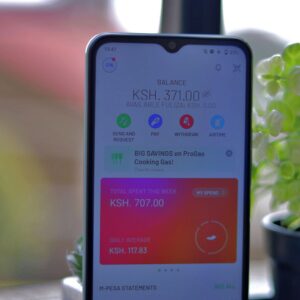


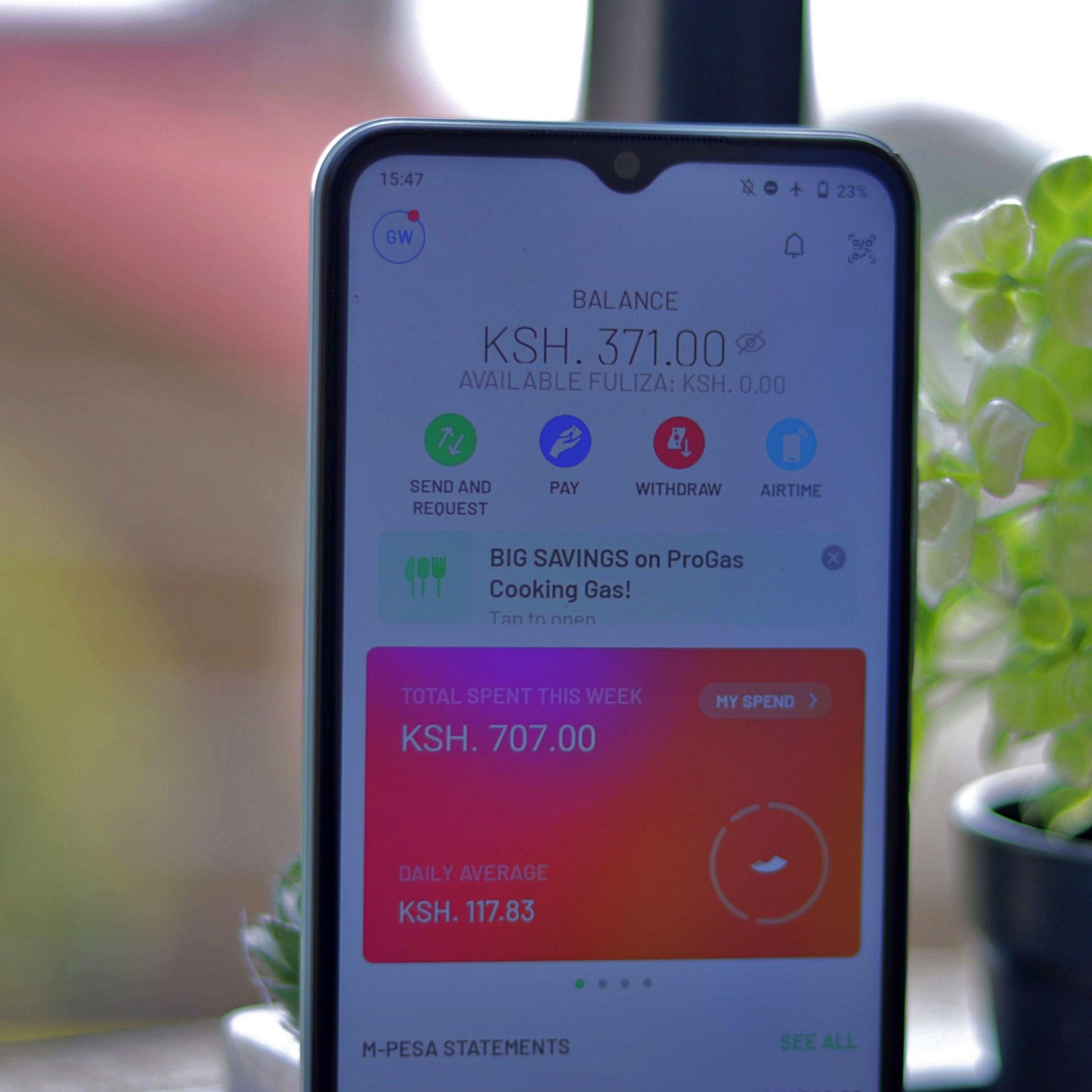
Safaricom has acknowledged technical challenges affecting its newly upgraded M-Pesa app, following a wave of user complaints that disrupted access to critical financial services. The issue has unintentionally created an inefficiency in the system opening a wide market gap.
The issue emerged shortly after the company began transitioning customers to its new integrated platform, widely referred to as the “super app.” a part of Safaricom’s broader push to consolidate services and expand its digital ecosystem.

The Ledger free webinar google registration form
Users reported difficulties logging in, receiving one-time passwords, and accessing saved transaction details. In some cases, customers were unable to complete basic transactions, raising concerns given M-Pesa’s central role in Kenya’s economy.
“We are aware that some customers are experiencing challenges with the new M-Pesa app,” the company said in a statement. “Our teams are working to resolve the issues as quickly as possible, and we apologize for the inconvenience caused.”
The company has further clarified that certain access limitations, particularly the requirement to use Safaricom mobile data during authentication, were intentional as part of enhanced security protocols to ensure that the SIM card used to access the service belongs to the rightful customer.
The implementation has however drawn criticism from users who rely on flexibility, particularly those accessing services via Wi-Fi or from outside the country with industry observers noting that such constraints, though technically justified, can introduce friction in systems where ease of access is a core value proposition.
For many, M-Pesa is not simply a convenience but a primary financial tool.
The decision by Safaricom to restrict certain M-Pesa functionalities to users on its mobile network unintentionally creates a gap, one that developers and tech companies are well positioned to exploit.
By limiting access for users on Wi-Fi or those outside Kenya, the ecosystem now has a clear inefficiency and this opens the door for middleware solutions, fintech integrations, and API-driven platforms that can bridge access allowing users abroad or on alternative networks to securely interact with M-Pesa services without being directly tied to Safaricom’s SIM authentication layer.
For startups and established tech firms, this is a strategic opportunity to build interoperability tools, such as virtual number authentication layers, cloud-based transaction dashboards, or partner apps that aggregate mobile money services across regions.
In essence, where Safaricom is tightening control for security, the market may respond with innovation focused on accessibility and flexibility and if executed well, such solutions could redefine how diaspora users, international businesses, and even multi network customers engage with Kenya’s mobile money infrastructure, turning a limitation into a launchpad for the next wave of fintech products.
The incident has highlighted the complexity of upgrading highly dependent digital infrastructure. With millions of daily transactions processed through the platform, even minor disruptions can have disproportionate effects across businesses and households.
“The challenge with platforms like M-Pesa is that they operate at national scale,” one market observer noted. “You are not just deploying software, you are updating financial infrastructure that people depend on in real time.”
Safaricom has indicated that remediation efforts are ongoing, with technical teams working to stabilize the platform and improve accessibility.