










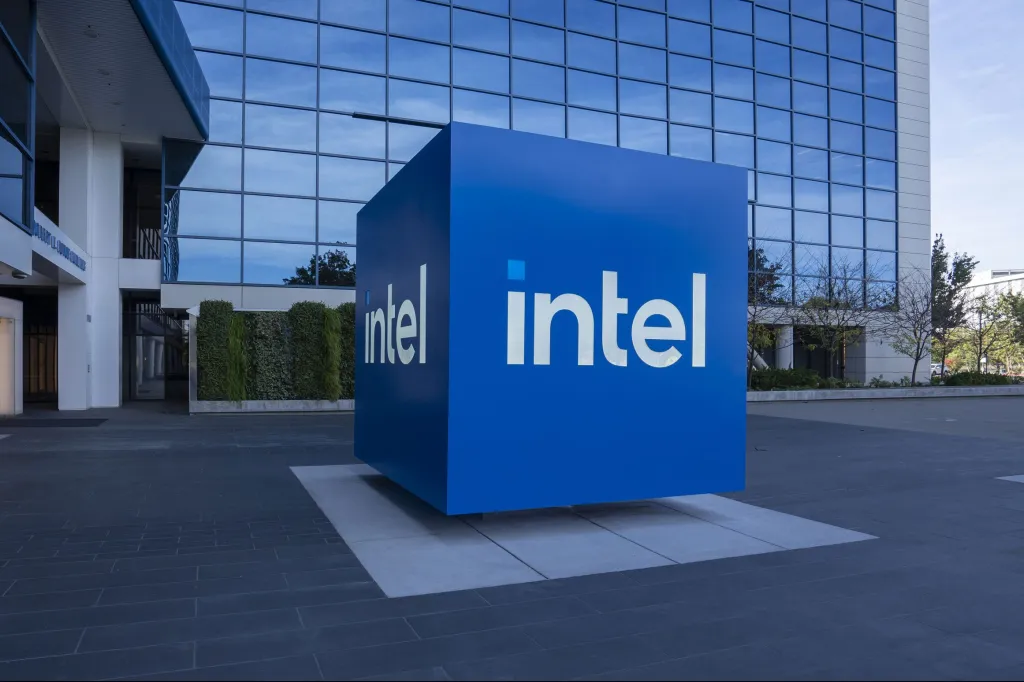
The United States government is reportedly considering acquiring a stake in Intel, in what could be one of the most significant strategic tech investments in recent years. The move is expected to be part of the CHIPS and Science Act framework, signaling Washington’s growing determination to secure the nation’s semiconductor supply chain and reduce dependency on foreign manufacturers.
For years, the semiconductor industry has been the silent engine powering everything from smartphones and laptops to fighter jets and medical equipment. But recent global events have exposed just how vulnerable that industry can be. The COVID-19 pandemic caused unprecedented chip shortages, crippling industries from automotive manufacturing to consumer electronics, and geopolitical tensions, especially between the U.S. and China, have only added urgency to the need for domestic production.
Intel is one of the few American companies still capable of producing microchips at scale, and has become a central figure in this high-stakes race. Intel has announced a multi-billion-dollar plan to build and expand fabrication plants in Ohio and Arizona, and these projects require massive funding and years to complete, the kind of funding a U.S. government stake could accelerate by injecting fresh capital and signaling long term policy support.
Industry analysts suggest that such an investment would not only strengthen Intel’s balance sheet but also give the U.S. greater leverage in safeguarding critical technologies. The government’s involvement could mean increased prioritization of chips for defense, space exploration, and AI research, sectors where national security and technological leadership are intertwined.
However, this potential partnership is not without controversy, with critics arguing that government ownership in a private tech giant could lead to conflicts over corporate strategy, innovation priorities, and global competitiveness. Questions have remained about how much control Washington might seek and how it would balance national security interests with the need for Intel to compete globally.
The semiconductor race has become a new frontier of global power, with nations pouring billions into chip research, manufacturing, and supply chain control. China has been aggressively investing in its domestic production, while the European Union recently unveiled its semiconductor strategy. If the U.S. does move forward with acquiring a stake in Intel, it would not only bolster the company’s future but also send a clear message that America intends to be at the forefront of the next era of technological dominance.